Roads, users, speed and power limits, licences, charging and repair all differ by country. No scooter fits every market. We start from how it will be used where you sell it, and turn that into a product line and a reference configuration we can quote.
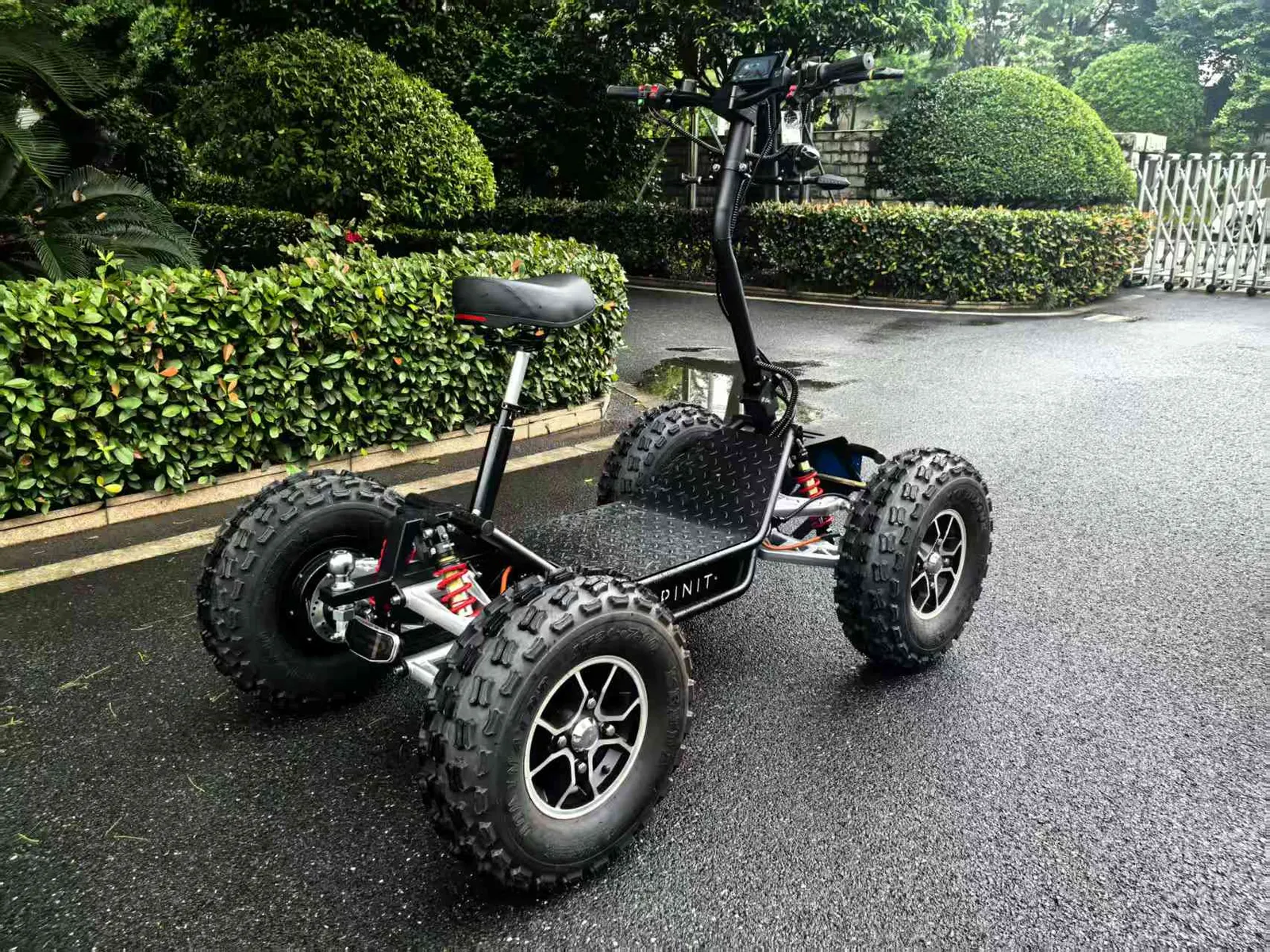
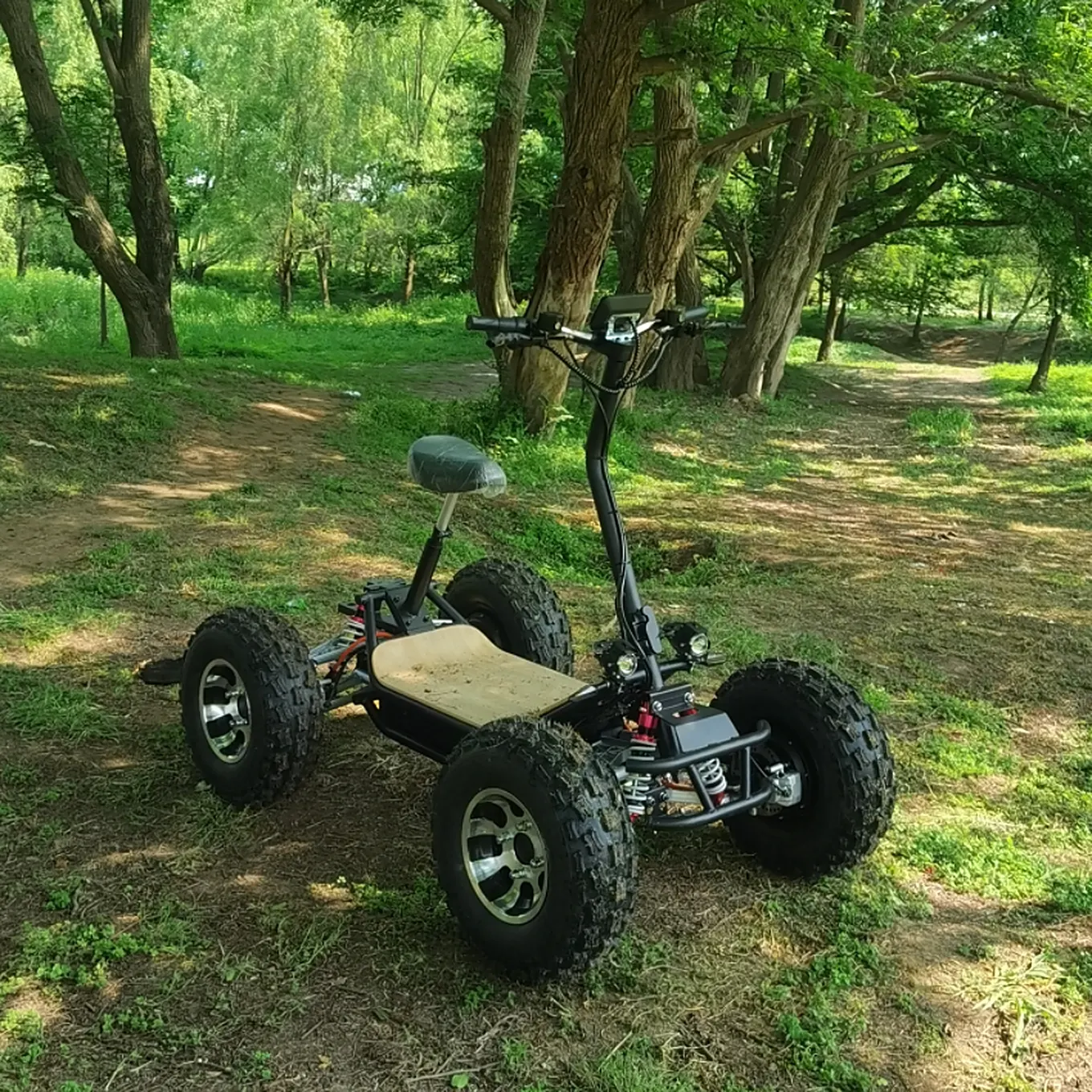
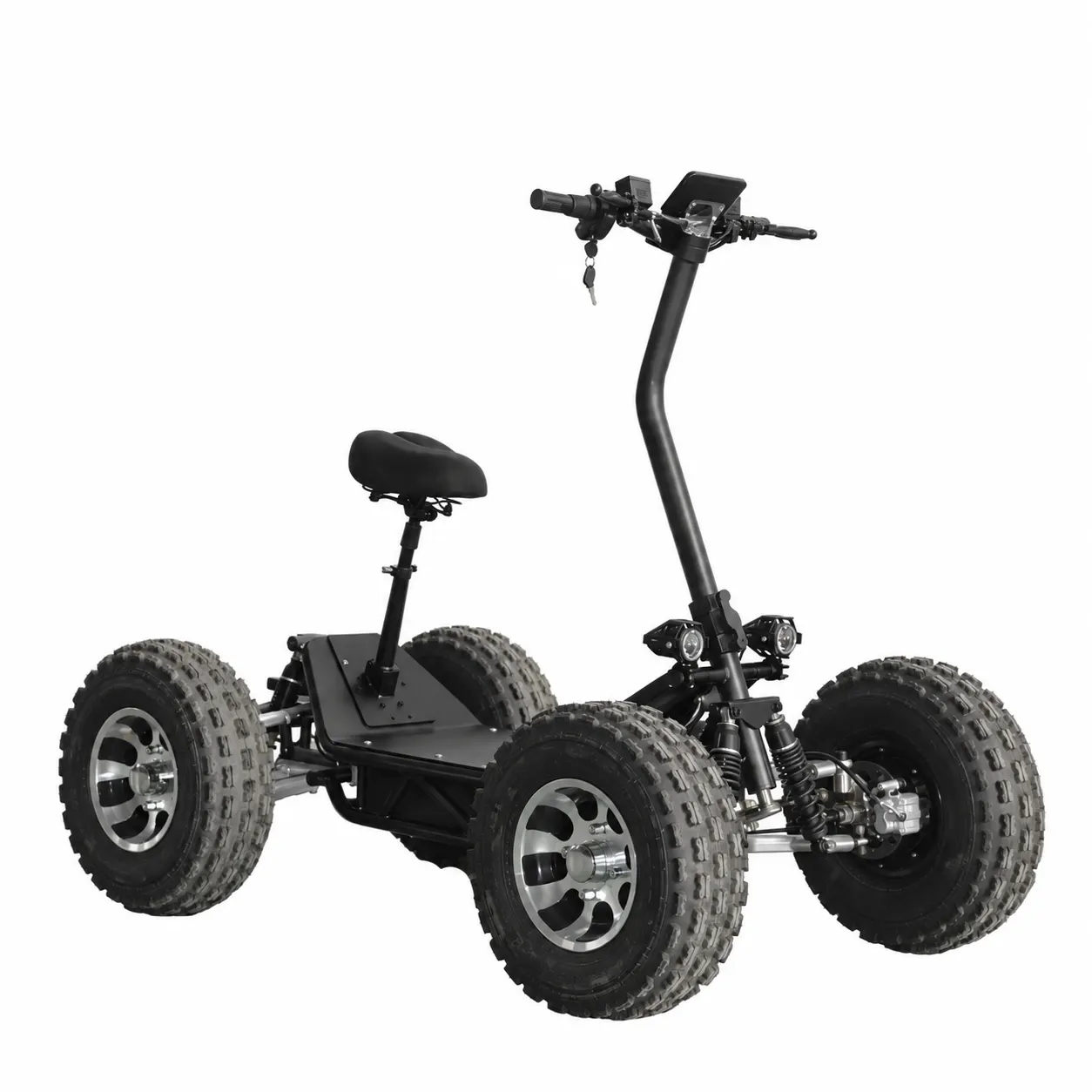
4WD 4×1500W on a wet road
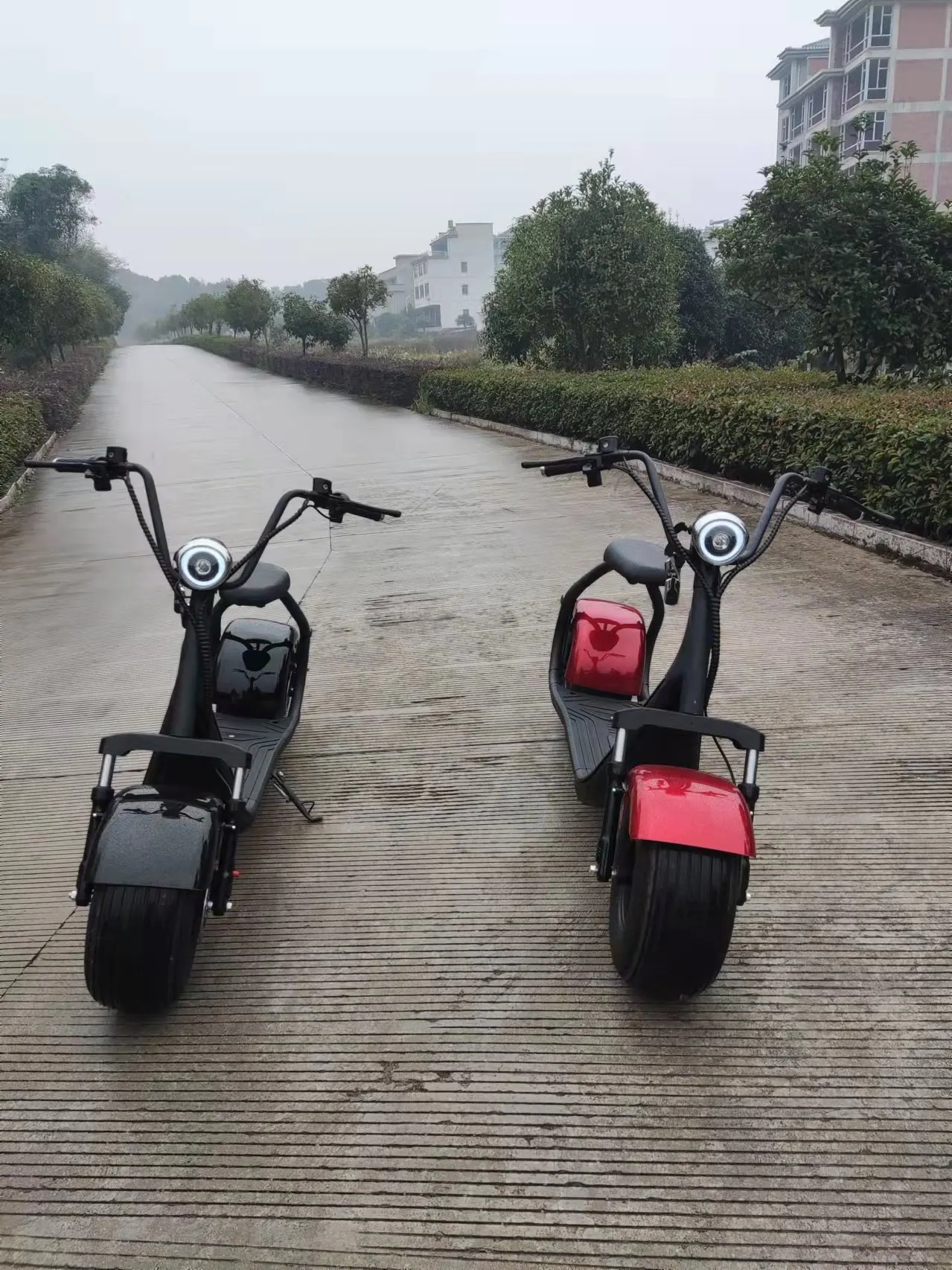
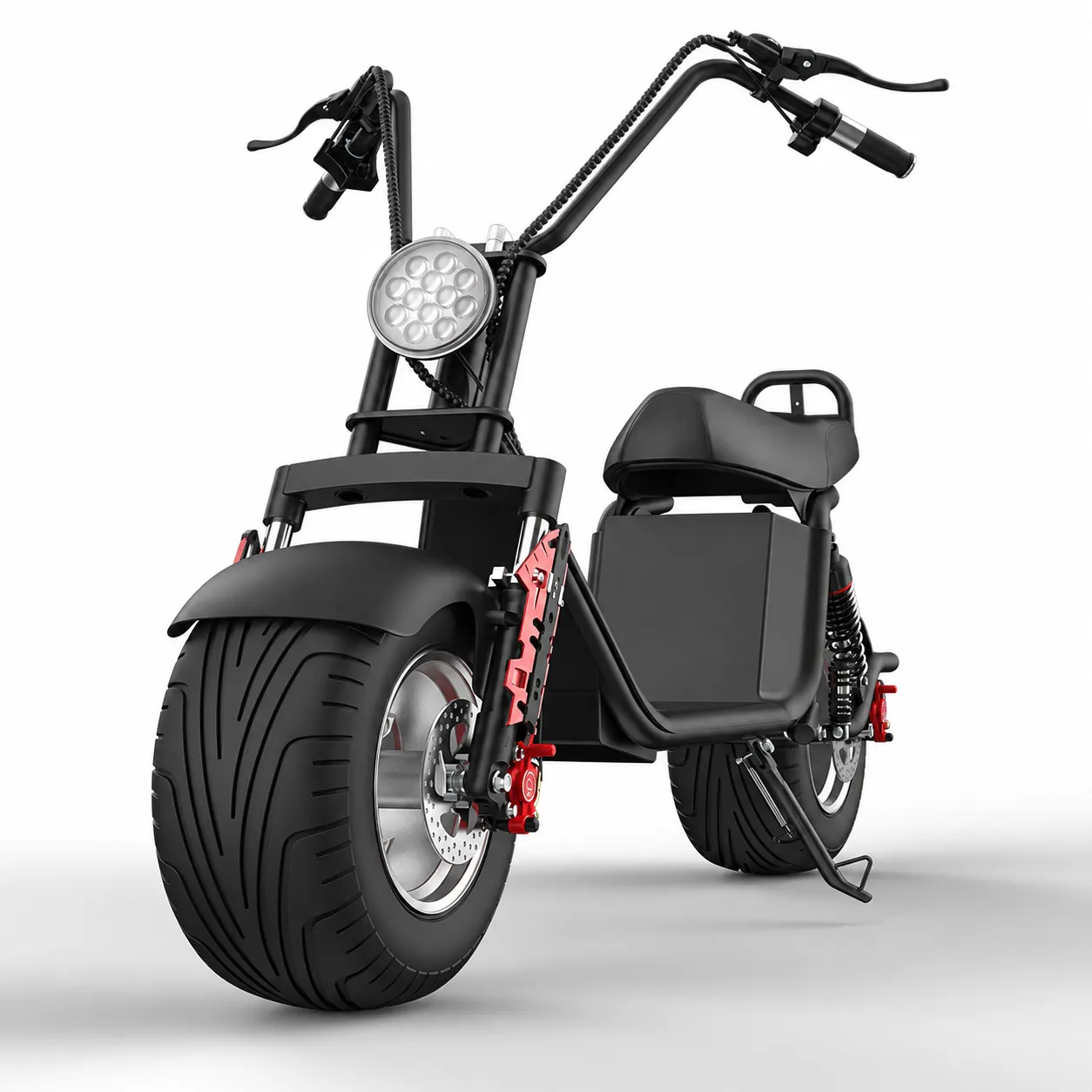
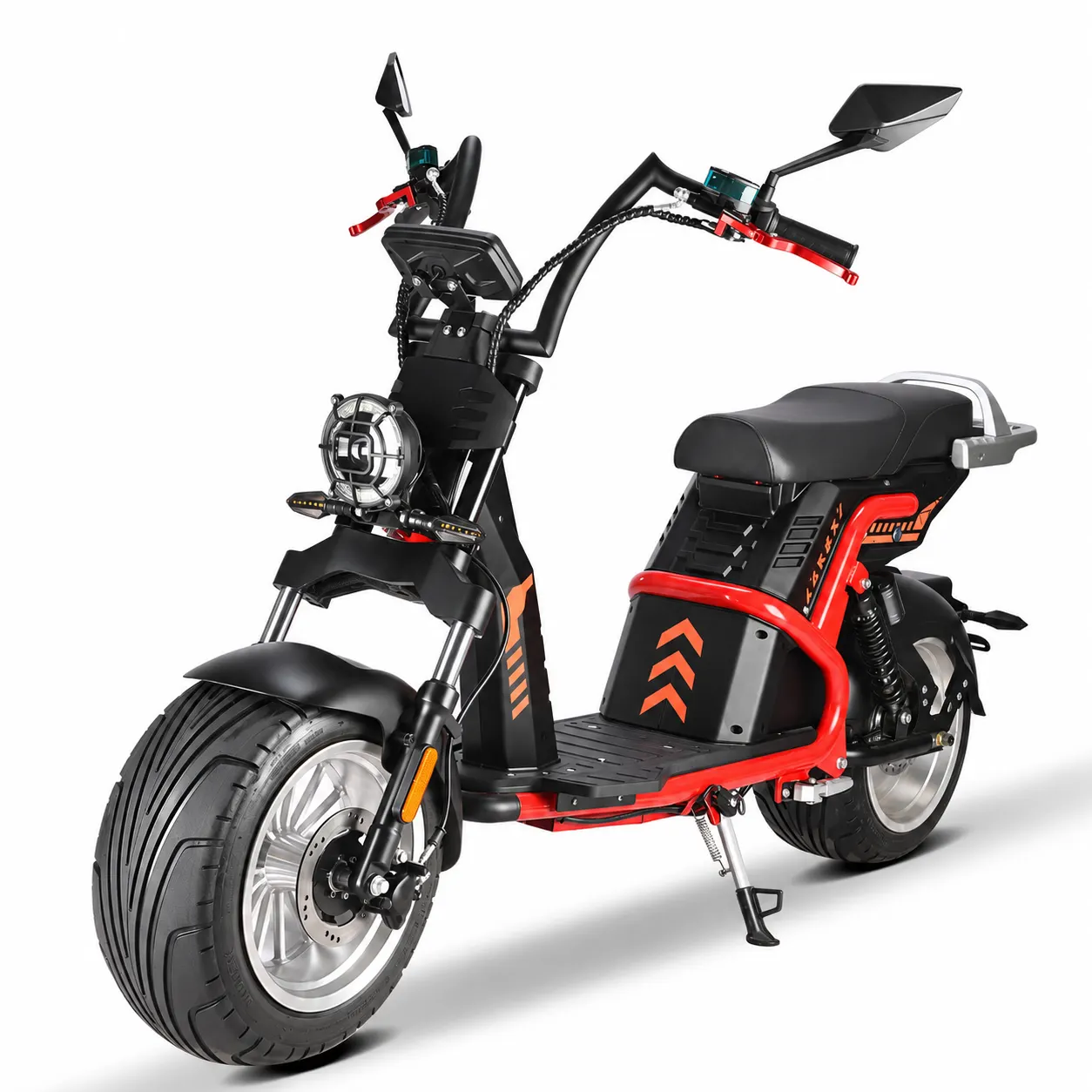
Citycoco X1 on a road
What we ask about before we suggest a model
Most importers buy to resell, so we do not question every enquiry about use. When the market or the use is new to you, these are the things that decide which line and which configuration make sense.
Where it runs Road and use
Roads and terrain
City streets, paths, rough ground. Off-road use points to the 4WD line, with independent suspension and four-wheel disc brakes on the 4×1500W.
Use
Personal riding, delivery, rental, fleet or mobility. Operators also need to think about daily use, maintenance and parts.
What the law allows Local rules
Vehicle category
Whether your country treats it as a scooter, a moped or a motorcycle decides almost everything else.
Speed, power, licence, registration
Limits and paperwork differ by country. You confirm them locally; we tell you which versions and documents are available for each model.
The machine Configuration
Speed and power
From 350W at 30 km/h to four 1500W motors on the spec sheets we hold.
Battery and range
Voltage, capacity, lithium or lead-acid, one or two packs. Range figures are as the sheets state them.
Load
Payload on the sheets runs from 120 kg to 226 kg.
Brakes, suspension, water
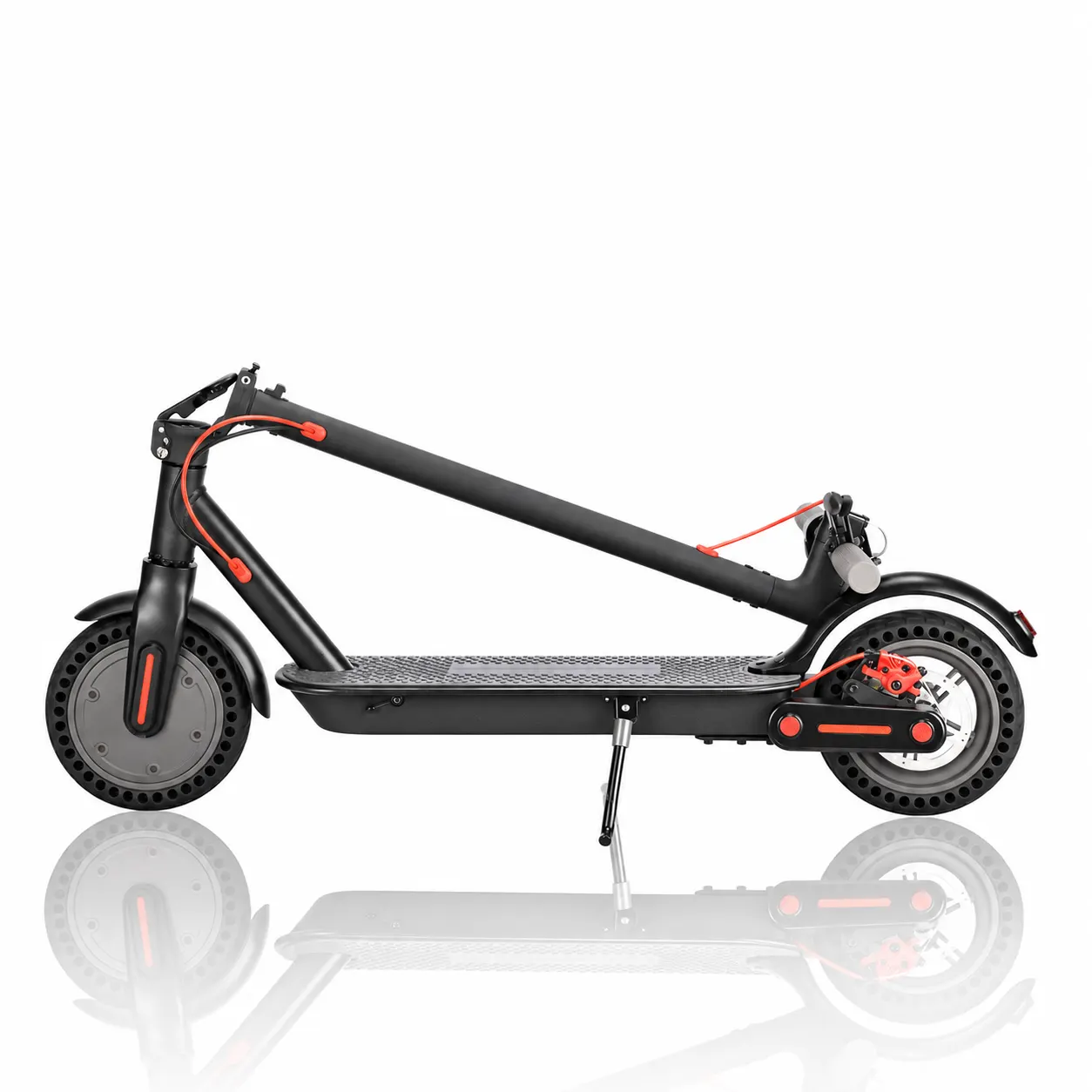
Disc or hydraulic disc, front and rear suspension, water resistance where the sheet states it, e.g. IPX4 on the S5-3B.
The business After the sale
Repair and parts
Who repairs it locally, and which parts you will need on hand.
The price your customers pay
It shapes the configuration. We quote per model and configuration and do not compete on the lowest number.
No model in mind? We can suggest which models are being made and sold most right now. That is supply-side experience, not a forecast for your market; the investment decision stays yours.
Speed and power across our lines
Every bar is copied from a spec sheet. The same model often comes in more than one version, which is what makes it possible to fit a speed limit without changing the vehicle.
Top speed and motor power as listed on each spec sheet. Points are single values; bars are a range of versions.
One model, several speedsThe CP9 is listed in EEC CoC versions at 45 km/h and 25 km/h. The Q5 switches between 25 and 45 km/h on the same scooter.
Motor sets the speedThe X20 comes as 1000W at 40 km/h, 1500W at 50 km/h or 2000W at 60 km/h. Choose the version for your limit; the rest is confirmed in writing on your order.
Watts are not the whole storyThe 4WD's four motors total 6000W on its sheet, yet its top speed is 40–50 km/h. Read the climbing and load figures alongside the speed.
Battery and range
Range on a sheet is the stated figure, not one we have tested. It also moves with the battery you choose: the S5-3B is offered in five capacities, and its sheet gives a different range for each.
15
20
25
30
40
4Ah6Ah7.8Ah10.4Ah12.5Ah
S5-3B, 36V lithium: range in km by battery capacity, from its spec sheet.
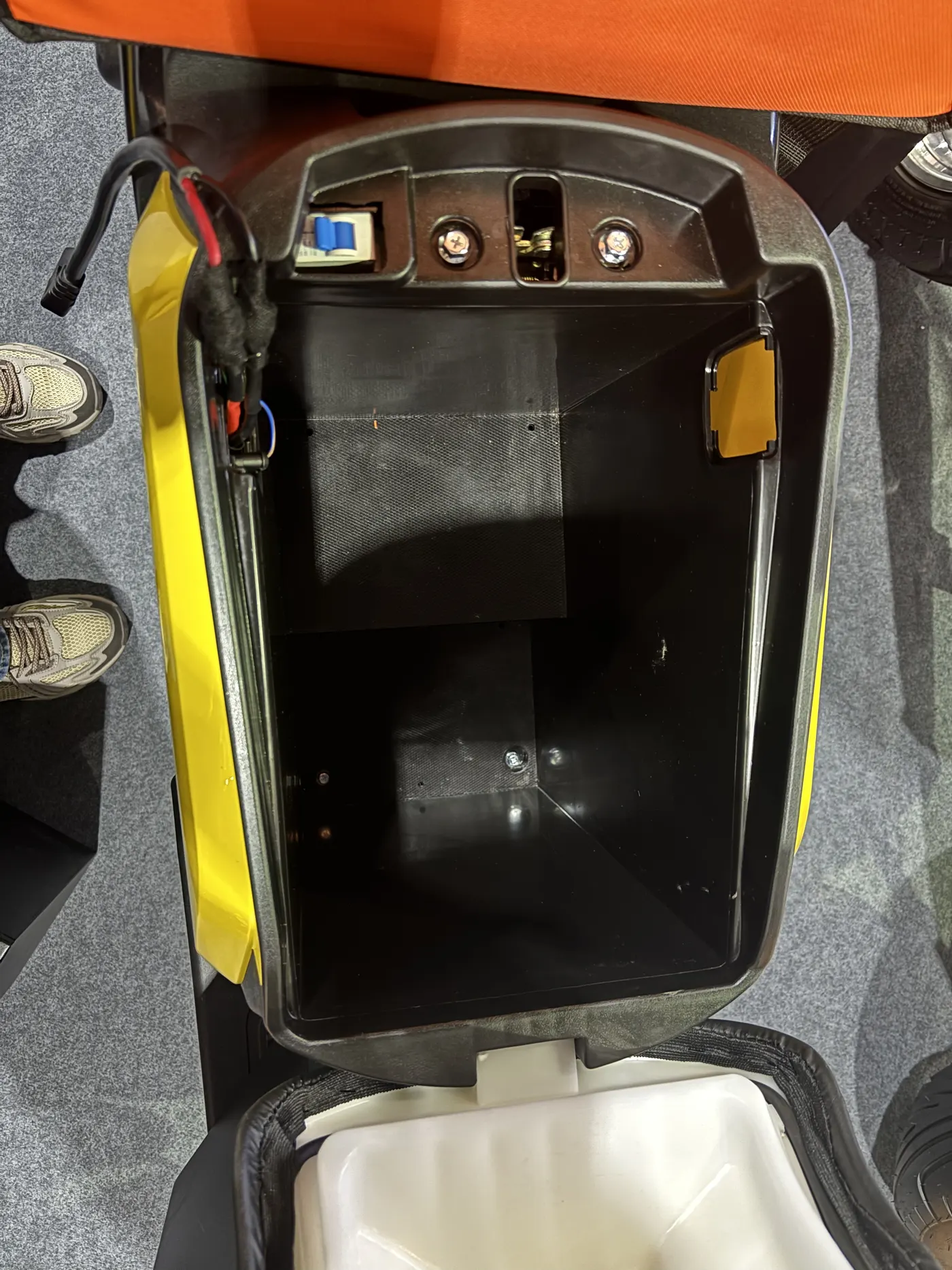
Battery compartment under the seat of a delivery scooter
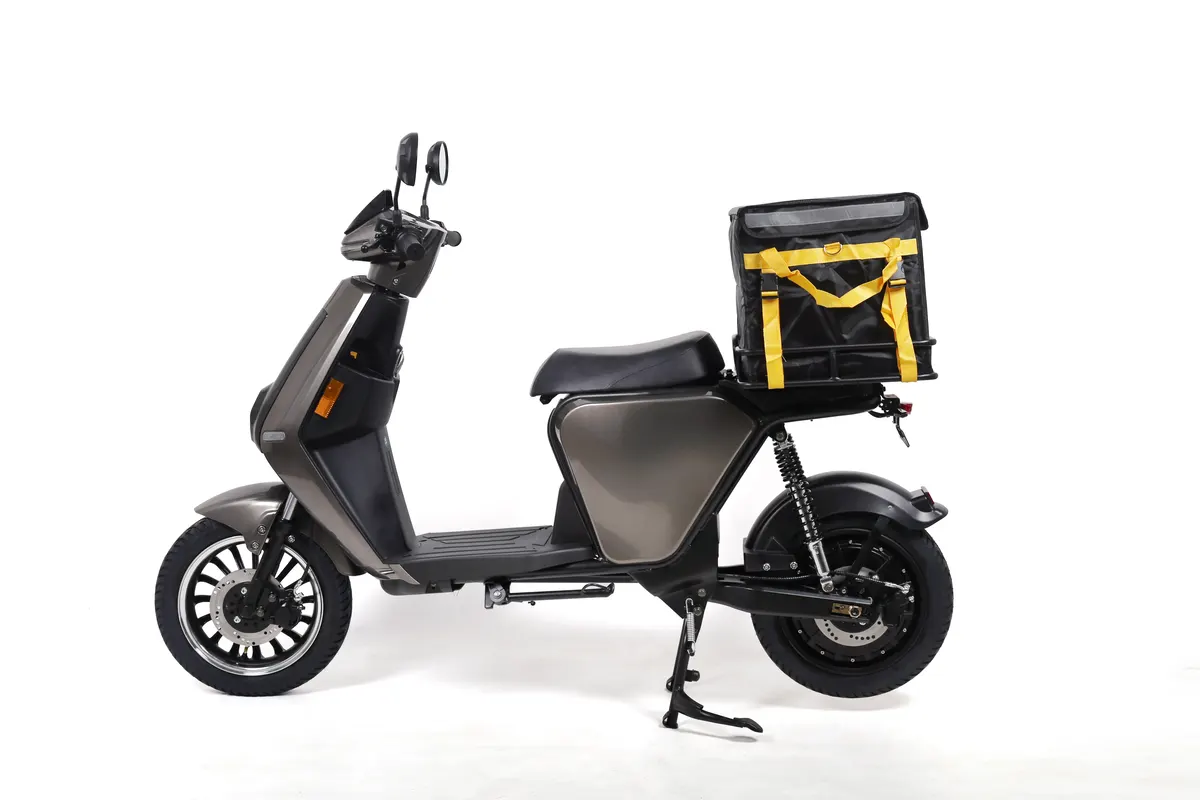
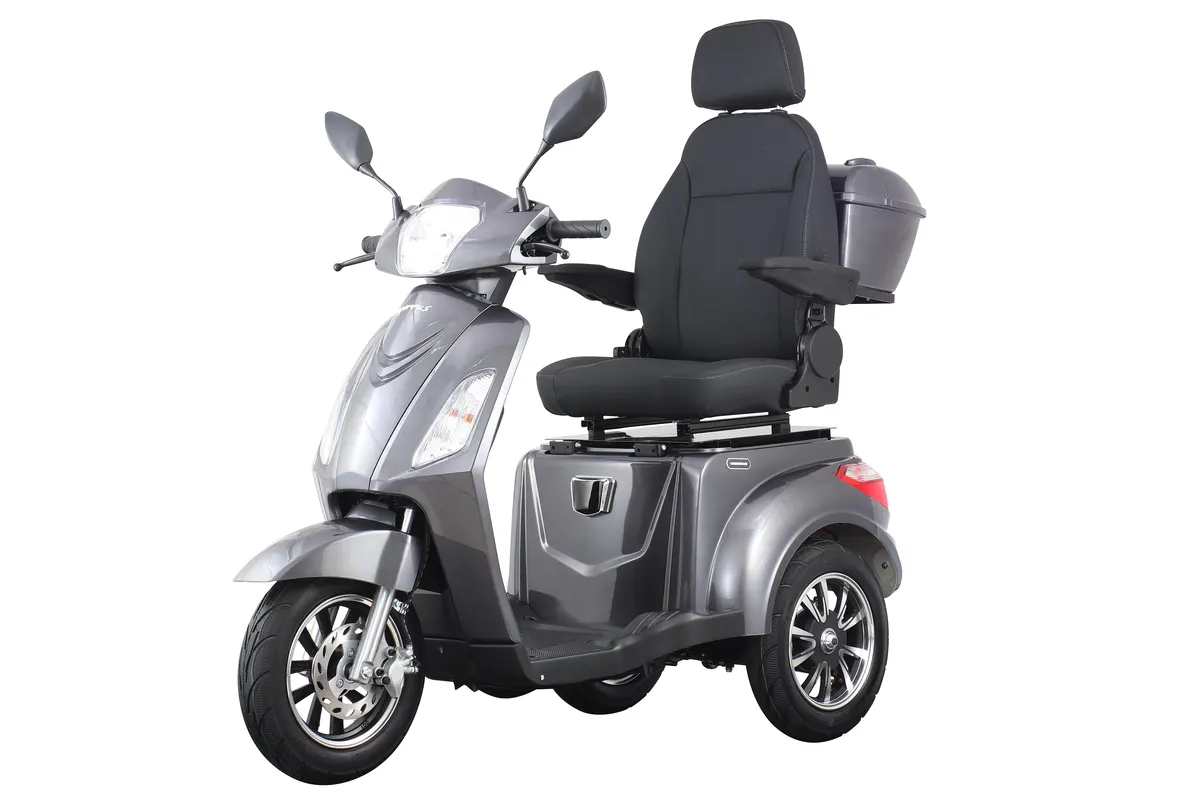
What the scooter has to carry, and how, narrows the choice quickly. These are the load figures and carrying features the spec sheets give for one model in each line.
Buying for rental, a fleet or delivery? Tell us how the scooters will be used and what they carry, and we check the configuration against that before we confirm it.
Local rules: what you confirm, what we check
A model being available does not mean it can be imported, sold and registered in your country. That depends on your local rules and your importer's position.
Vehicle category
Scooter, moped or motorcycle is decided by your country's rules, not by the product name. Tell us the category you need; we suggest the models and versions that fit it.
Speed and power
You give us the limit. We tell you which versions are available, as with the CP9's 25 and 45 km/h versions, and confirm only what can be built.
Homologation, type approval, tariff code, importer status
These are confirmed in your country, by you or your import agent. One general "CE" does not cover every market. Certificate copies are sent on request so you can check them.
Documents
Certificates we can provide include CE, EEC, LVD and RoHS. Copies are sent on request. Battery documents
One line, several versions
CP9
Listed in EEC CoC versions at 45 km/h and 25 km/h.
X20
Three motor versions; 10-inch wheels on the 1500W and 2000W.
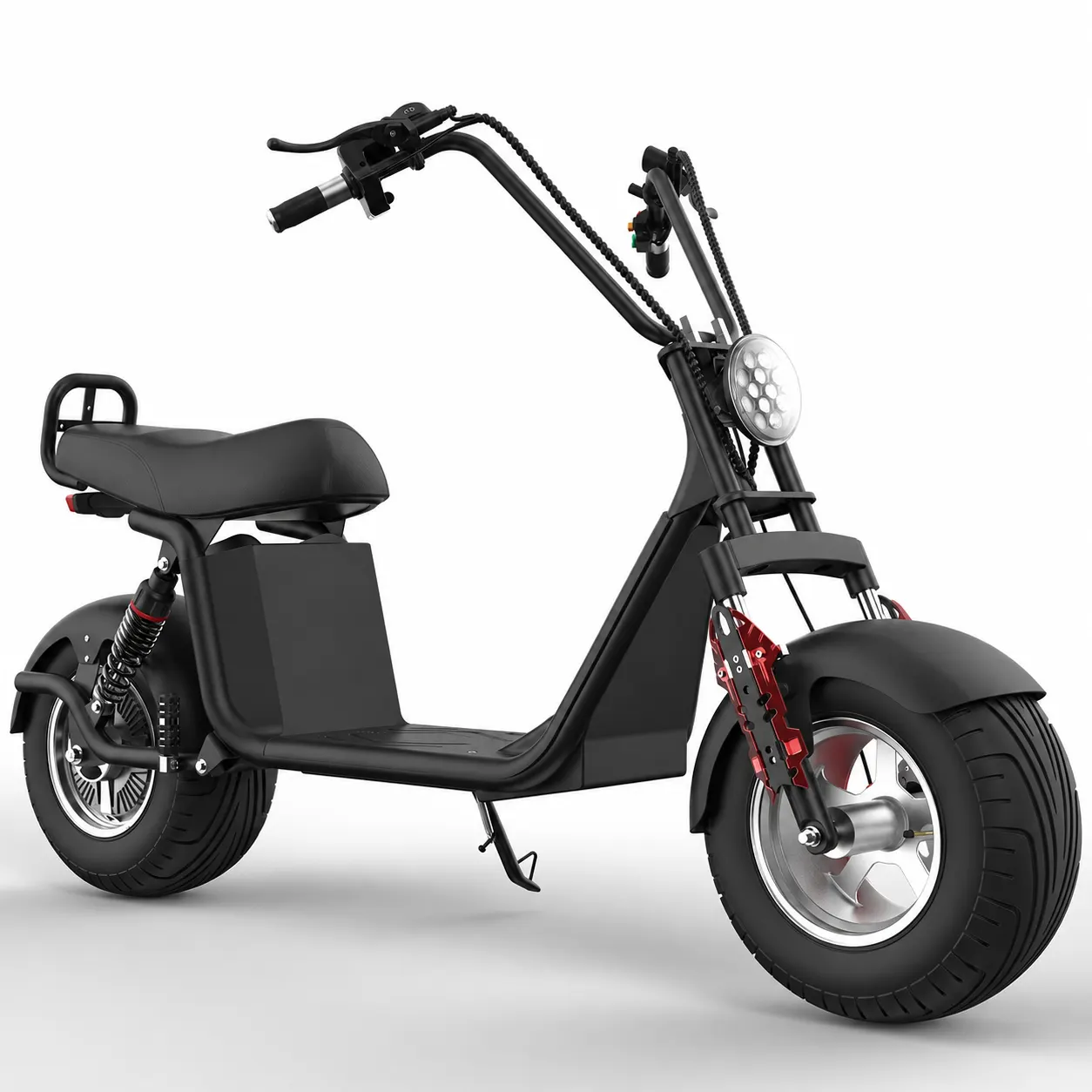
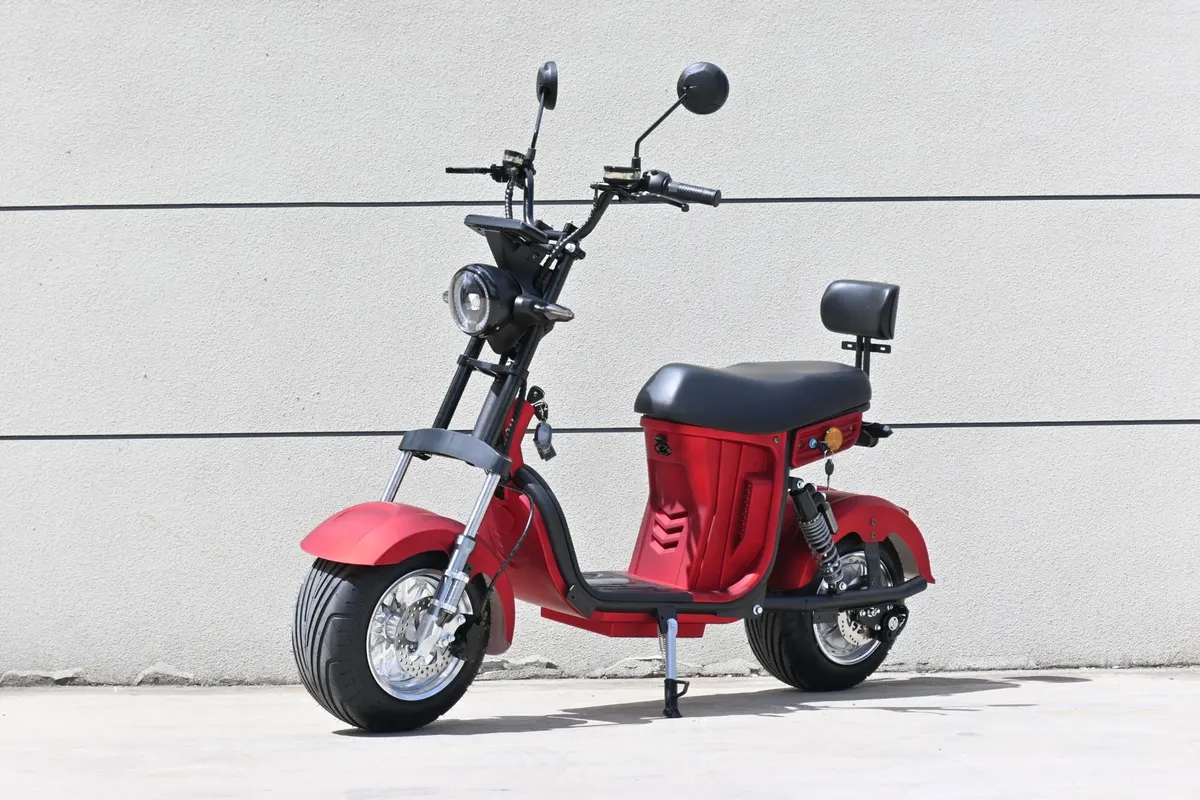
Short-body Citycoco
A shorter body on the same idea, in our files as the M7 and other short models.
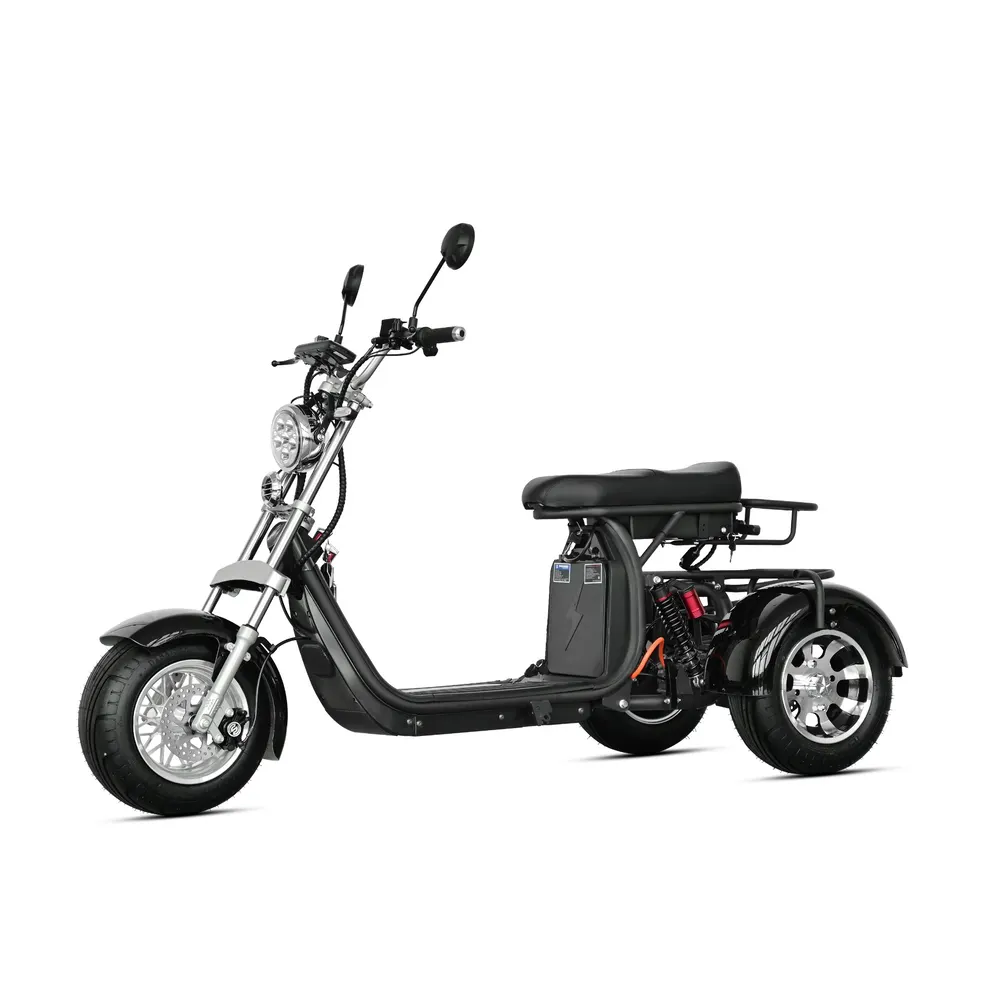
Three wheels
The CP3 is a three-wheel Citycoco from the EEC range in our files.
The short-body and three-wheel models above are in our files but not yet on this site. Ask for their sheets.
Repair counts before you buy
A scooter your mechanics cannot keep running is a poor fit, however good the price. Before the first order, think about who repairs it locally and which parts you will need on hand.
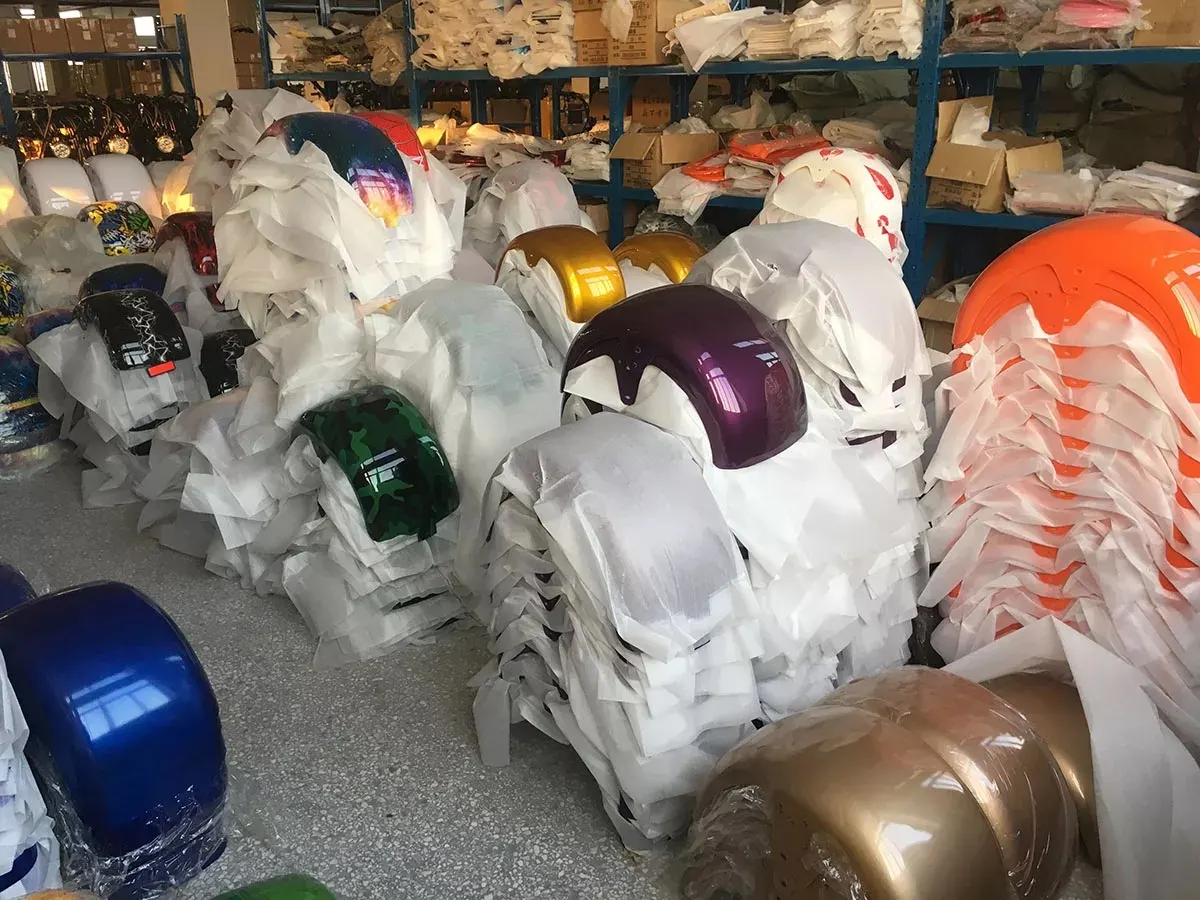
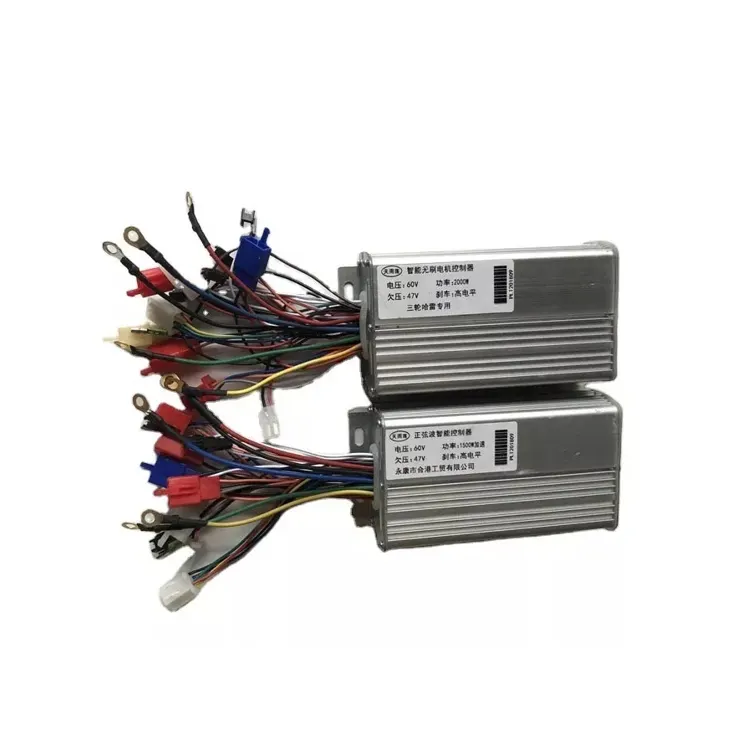
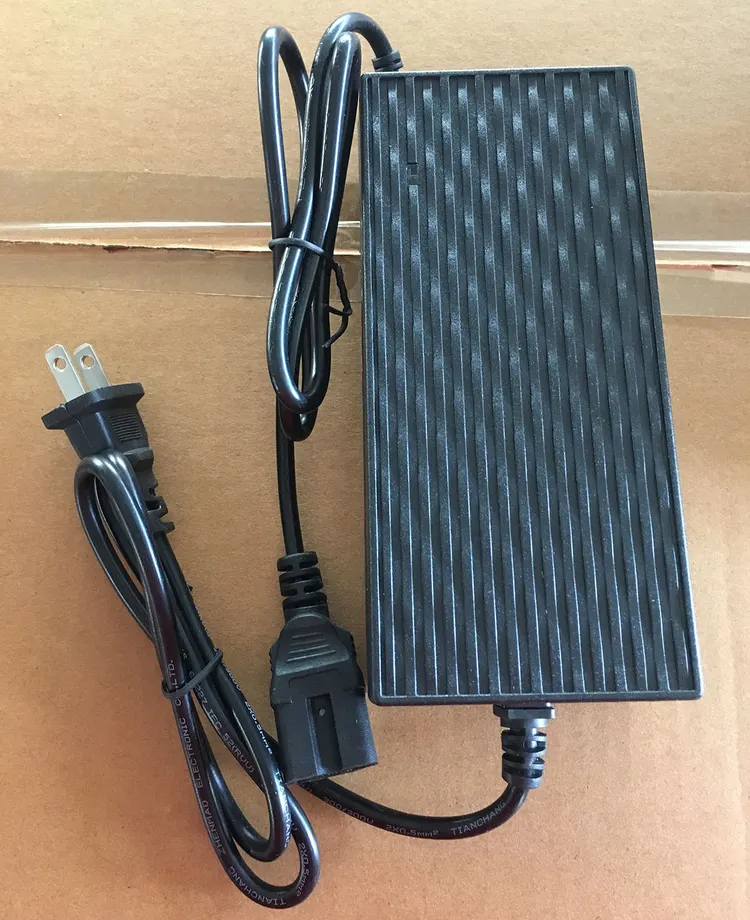
Common partsControllers, chargers and body panels such as fenders are the parts in our files for Citycoco.
Spares in the containerSpare parts can be planned into the same container as the scooters.
After deliveryYou send the fault with photos or video; we work out the cause and arrange the parts.
CostsAgreed case by case. Small parts for existing customers are often sent free; that is not a lifetime policy.
No one can promise that. We can tell you which models are being made and sold most right now, and help match a configuration to your use and rules. The market judgement and the investment decision are yours.
Will this model be legal in my country?
That depends on your country's vehicle category, speed and power limits, approval and registration rules, and your importer's status. You confirm them locally; we tell you which versions can be built and which documents exist for the model.
Can you lower the speed or power of a model?
Often there is a version already, like the X20's motor versions or the CP9's 25 km/h version. Other changes are checked first and confirmed only if they can be made.
Are the range figures tested?
They are the figures stated on the spec sheets. Real range depends on load, terrain, speed and battery; a sample is the way to see it for yourself.